


This past week I have seen many cases of Hand-foot-and-mouth( HFM) disease, with some kiddo’s really very unwell. I decided to give you a bit of information regarding this common childhood illness. Many parents are so alarmed when I diagnose this odd sounding disease, thinking it sounds similar to hoof-and -mouth disease seen in farm animals.
Fear not!! HFM disease is a common and very contagious viral infection in young children, and yes…unfortunately your little one can get it more than once. It is typically caused by Coxackievirus A16, but other members of the Coxackievirus family( Enterovirus’s) can also cause this disease.
How does my child get Hand-foot-and-mouth disease?
This illness spreads quickly from one person to another via infected droplets coughed or sneezed into the environment. Children younger than 5 years are most susceptible. Direct contact with saliva, nasal secretions and fluid from the blisters can also cause infection.
This virus is also excreted in stool and that’s one of the reasons it can spread like wildfire in daycare environments where nappy changes and toilet training are common. Little ones also like to “share the love” with their dummies, and frequently put things in their mouths, leading to the spread of this virus
What are the symptoms that children present with?
They typically present with symptoms 3-5 days after being exposed to this virus.
• Fever is usually the presenting symptom and that is followed by a sore throat and feeling poorly.
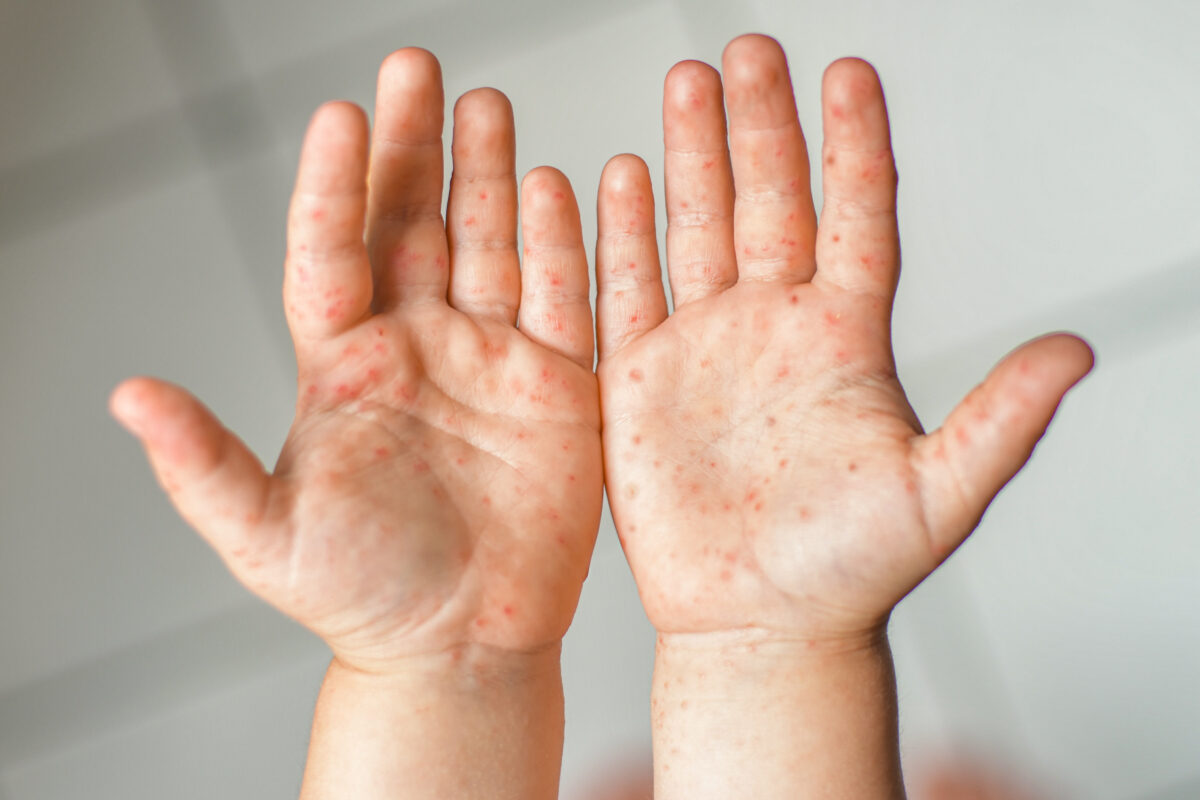
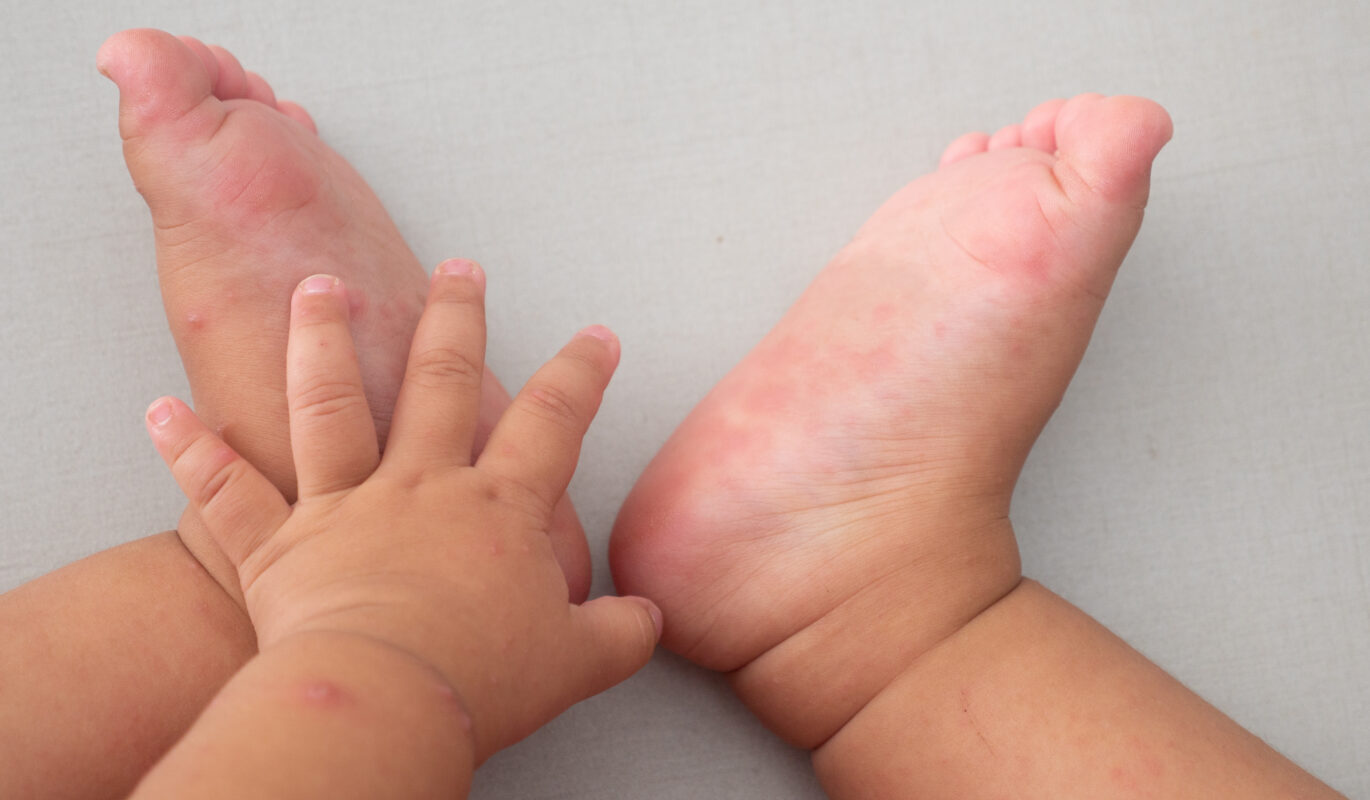
• The typical painful blisters and sores in the mouth, on the gums, tongue,palate and back of throat, as well as those on palms of hands and soles of feet, start appearing after another day or two.
• Because of these blisters the children usually have a poor appetite and can have excessive drooling because it’s too painful to swallow.
• A red rash, with or without blistering can also be seen on the buttocks, back of legs and hands. This rash typically isn’t itchy.
How do we treat hand-foot-and-mouth disease?
• In most cases this disease is mild and self-limiting.
• As this is a viral infection, antibiotics will not work and has no place in the treatment of HFM.
• Control the fever and discomfort with Paracetamol and/or Ibuprofen in the correct doses for your little one’s weight.
• Because of the blisters and sores in the mouth, it can be painful to swallow. Dehydration is therefore the most common complication. Make sure you offer regular sips of fluids. Please contact your Dr if your child is refusing all liquids and is limp and lethargic. Your child may need a drip for intravenous fluids.
How long is my child contagious?
Risk of transmission of the virus is at it’s highest in the first 7 days following onset of symptoms. We therefore recommend that all children be isolated at home for at least 7-10 days after the start of fever symptoms. Please do not send your children to daycare during this time.
Although uncommon,there are some adults and adolescents who are carriers of the virus, and can spread the virus around without showing signs of illness.
When should I contact my Doctor or Paediatrician?
• If your child refuses to take any liquids, or is vomiting liquids soon after it was given.
• If your child is lethargic and very listless, even when the fever is down.
• if you are unable to control the fever or if your child had a seizure event associated with the fever.
Xoxo, Dr Christa